


Many businesses feel reassured when they hear a phrase like this:
“We have alerts set up.”
It sounds responsible. Proactive. Controlled. If something suspicious happens, the system will notify someone, and the issue will be handled.
But there is an important reality many organizations overlook.
An alert is not the same thing as protection.
An alert is a signal that something unusual may be happening. Protection only begins when someone responds to that signal and takes action.
Those two ideas are often treated as interchangeable. In practice, they are very different.
Understanding that difference is critical for any organization trying to strengthen its cybersecurity posture.

The Moment an Alert Triggers
Consider a simple scenario.
A user clicks a link in an email that should not have been clicked. A file on their device begins behaving in an unusual way. A login attempt appears from a location no one in the organization recognizes.
The security system detects the behavior and generates an alert.
What happens next?
Does someone see the alert immediately?
Does someone know whether it is serious?
Does someone isolate the device?
Does someone investigate whether sensitive data was accessed?
For many organizations, there is no clear answer to those questions.
Sometimes the alert sits in a dashboard. Sometimes it lands in an inbox. Sometimes it becomes just another notification among dozens or hundreds of others.
This is the point where detection and protection become two very different things.
Detection tells you something may be wrong. Protection depends on what happens after that.
Alerts Create Noise Without Ownership
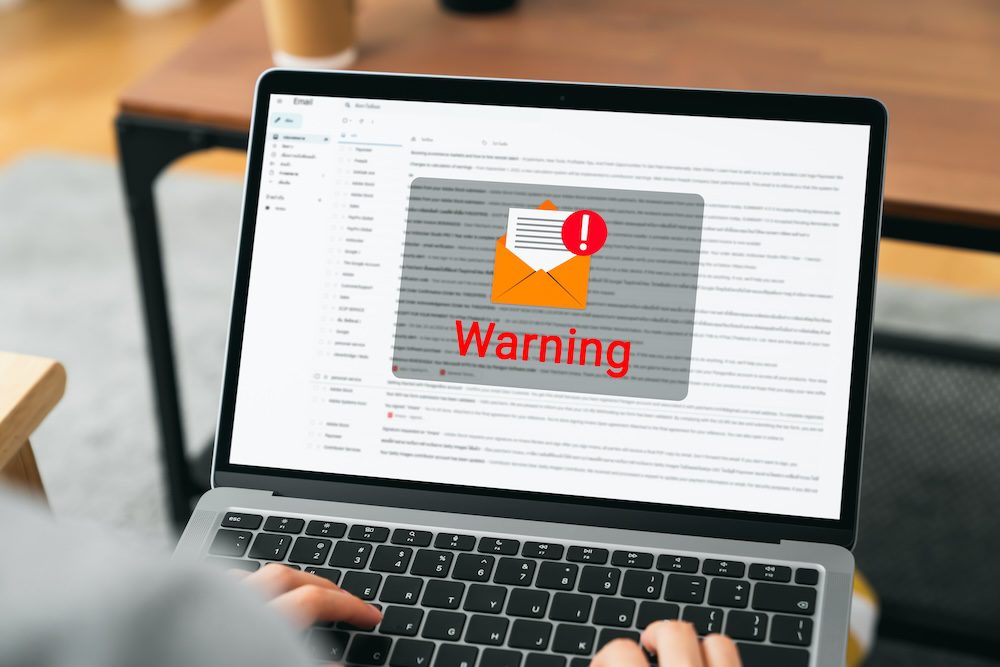
Modern security tools generate a large volume of alerts. Some are critical. Some are informational. Some turn out to be false positives.
Without clear ownership, alerts quickly become background noise.
Security dashboards fill up with notifications. Email alerts accumulate. Teams begin to see warnings so often that the sense of urgency fades.
This doesn’t happen because employees do not care about security.
It happens because alert volume without defined responsibility leads to fatigue.
When people see constant notifications without clear instructions about who should act, the alerts begin to blend together. Eventually, something truly serious can look just like everything else.
The organization becomes aware of potential problems but not necessarily equipped to respond quickly.
Detection Tools Are Not Response Teams
Many organizations invest in endpoint detection and security monitoring tools. These platforms are designed to identify unusual behavior on devices and systems.
That capability is valuable.
Detection tools can recognize patterns that suggest malware, unauthorized access, or suspicious activity.
But identifying something unusual is not the same as stopping it.
Detection answers one question:
“Something may be wrong.”
Response answers a completely different question:
“What are we doing about it right now?”
If no one is assigned to review alerts, investigate them, and take action when needed, the organization is relying on awareness instead of protection.
A Simple Example: The Door Sensor
Imagine a door sensor installed in a building.
If the alarm goes off at 2:00 AM, the system has done its job. It detected movement.
But detection alone does not secure the building.
Someone still needs to:
- Review the alert
- Determine whether the activity is legitimate
- Dispatch security if needed
- Escalate the situation if a break-in is suspected
If no one responds to the alarm, the sensor has only provided information. It has not protected the building.
Cybersecurity works in the same way.
Detection tools provide signals. Protection happens when people respond.

The Illusion of Coverage
One of the most common misunderstandings in cybersecurity is the assumption that installing security tools automatically creates protection.
It seems logical. If something malicious happens, the system will catch it.
But catching something and containing it are two different stages of defense.
Security tools can identify suspicious behavior, but they do not automatically investigate incidents, isolate compromised devices, or stop an attacker’s next move.
Without defined monitoring, investigation, and response procedures, alerts simply inform.
They don’t defend.
This gap creates a dangerous illusion of coverage. Organizations believe they are protected because the tools are in place, even though the response process is unclear.
Why Timing Matters
Cyber incidents rarely happen during convenient hours.
Alerts often trigger overnight, on weekends, or during holidays. Attackers frequently take advantage of these periods because they know organizations may not be actively monitoring systems.
If an alert appears at midnight but no one reviews it until the next business day, hours of exposure can pass unnoticed.
During that time, attackers may move deeper into the network, access additional systems, or extract sensitive data.
Protection requires more than detection. It requires defined escalation and response procedures, regardless of when an incident occurs.
What Real Protection Looks Like
A strong cybersecurity environment doesn’t rely on alerts alone. It builds clear processes around them.
Real protection typically includes:
Clear ownership of alerts
Someone is responsible for reviewing security notifications and determining their severity.
Defined response procedures
Teams know what steps to take when suspicious activity appears.
Authority to isolate devices quickly
If a device is compromised, it can be removed from the network immediately.
Clear escalation paths
Serious threats can be escalated without delays or uncertainty.
Continuous monitoring
Security events are reviewed consistently instead of only during periodic checks.
In short, protection is active.
Alerts are passive.
Without response, alerts only describe risk. They do not stop it.
The Real Takeaway
Alerts are an important part of a healthy cybersecurity strategy. They help organizations identify unusual activity and potential threats.
But alerts alone do not stop incidents.
Protection begins when someone is responsible for acting the moment suspicious activity appears.
Detection identifies risk.
Response contains it.
When organizations confuse the two, they leave a gap in their security strategy. Closing that gap requires more than technology. It requires clear processes, defined responsibility, and the ability to act quickly when alerts appear.
Because in cybersecurity, knowing something is wrong is only the first step. What truly matters is what happens next.
Move Beyond Alerts
Alerts are only useful if someone is ready to act on them. Without monitoring, investigation, and response, alerts can quickly turn into background noise.
GoodSuite helps businesses move beyond alerts with continuous monitoring and managed detection and response services that identify and contain threats quickly.
Contact us and let us show you how we can strengthen your cybersecurity strategy.
About GoodSuite
GoodSuite is a boutique Managed Services provider that helps businesses simplify, secure, and support their technology environment. Their services include Managed IT, Cybersecurity, Cloud Solutions, Backup and Disaster Recovery, Managed Print Services, and VoIP phone systems, along with office technology such as copiers and printers. Based in California, GoodSuite supports organizations across Southern California and throughout the United States with proactive service and strategic technology guidance.